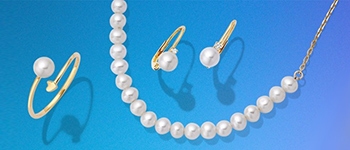
Pearl Jewelry Guide | Zales
Pearl Jewelry Guide | Zales
Pearl Jewelry Guide
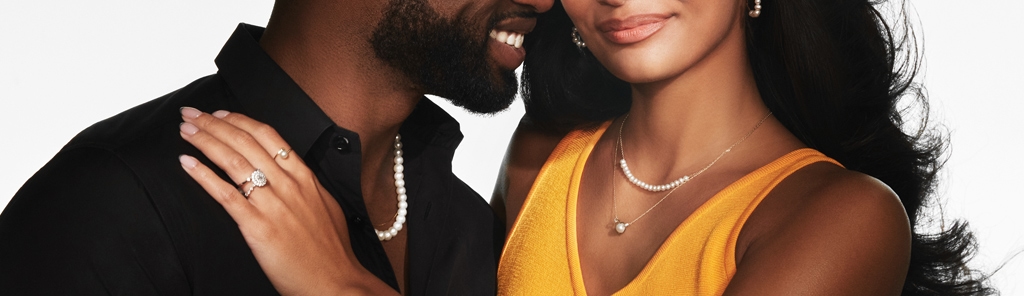
Beautiful Pearl Jewelry Has Been Treasured for Centuries
Pearl are a gemstone like no other. The only gemstone created by another living creature, pearls have been prized throughout history all the way back the Romans. This luminous gemstone still holds importance today as a traditional gift for several life milestones for Sweet 16 birthdays, as a classic wedding day gift to brides, and for 30th wedding anniversaries.Whether you’re shopping for pearl jewelry for a special occasion, as a birthstone jewelry gift, or just to add to your collection, read on to get the full story of the sophisticated gemstone pearl.
Where Do Pearls Come From?
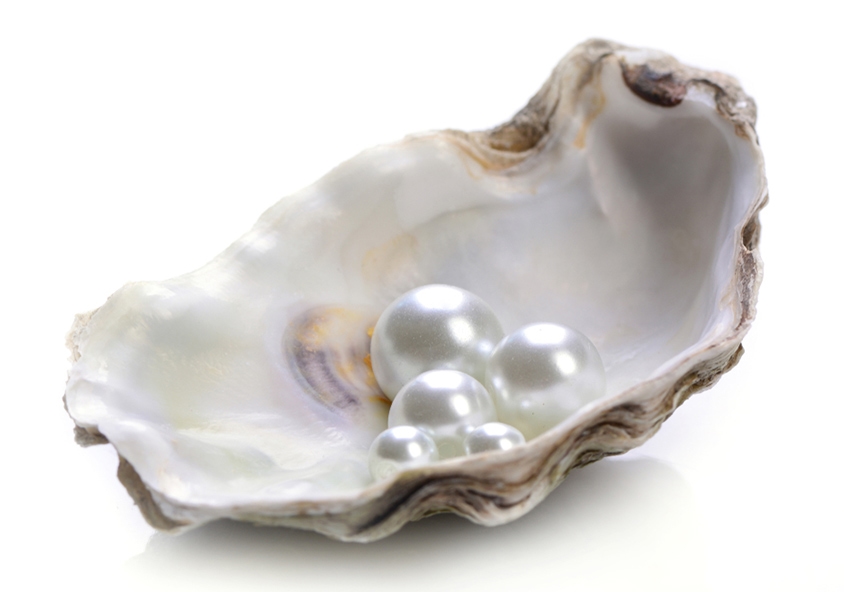
Pearls are formed when an irritant, such as a piece of sand, becomes lodged in the shell of a freshwater or ocean mollusk (like oysters and mussels). Sensing the object, the mollusk deposits layers of a semi‐translucent substance called "nacre" around the intruder, where it builds up over time. In nature it takes years to create a pearl of decent size and perfectly round shapes are very rare.Natural Pearls vs. Cultured Pearls
When it comes to jewelry, you may hear pearls referred to either as natural pearls or cultured pearls. The most important thing you should know is both natural pearls and cultured pearls are real pearls. But when you get into the details, the difference between these gems is:Natural pearls are pearls that are grown with no human interference, they must be found in the oceans and seas. Natural pearls are very rare and often only seen in vintage jewelry.
Cultured pearls are pearls that are grown in a process carried out by humans. Jewelers mostly work with cultured pearls to create the beautiful pieces you can buy today.
Pearl Colors
Beautiful pearl gemstones can be found in a stunning spectrum of colors. Explore the most popular shades for jewelry and the meaning behind each colorful pearl.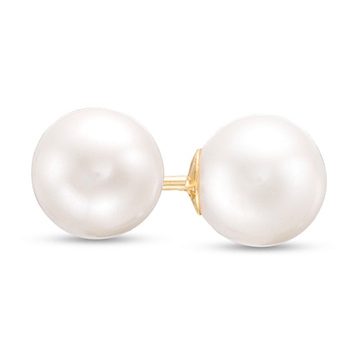
White Pearls
The classic for pearl jewelry, white pearls can have warm creamy overtones or a cooler, more silvery sheen. White pearls are thought to symbolize beauty, purity, and peace.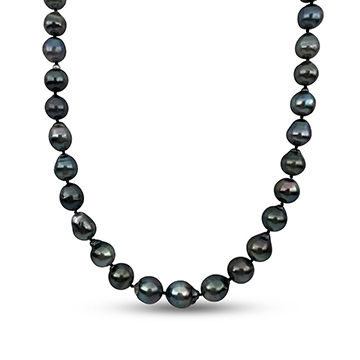
Black Pearls
Black pearls get their unique appearance from their natural black or gray color with extra dimension from cool overtones like greens, blues, or purples. Black pearls have an air of mystery to them and are thought to symbolize power and wisdom.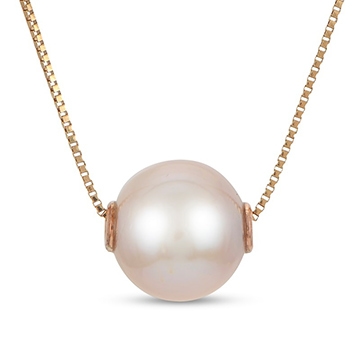
Pink Pearls
Pink pearls are popular for more romantic styles and are known for their pale pink color, with some displaying light lilac overtones. A great choice for wedding jewelry, pink pearls are thought to symbolize passion, love, and happiness.The Four Pearl Types
There are four major cultured pearl types – Freshwater, Akoya, South Sea, and Tahitian. Coming from all over the world, get to know how these beautiful pearl varieties compare as the star of stunning jewelry designs.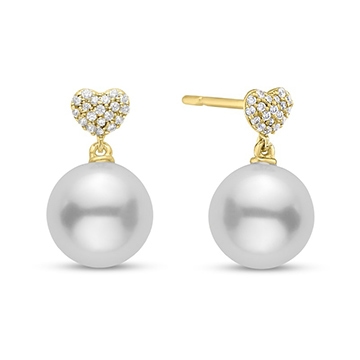
Freshwater Pearls
Perfect for any occasion, cultured freshwater pearls can be found in an array of breathtaking colors and enchanting styles.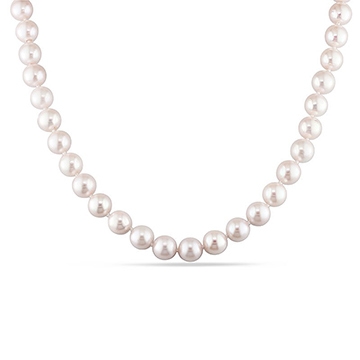
Akoya Pearls
The "classic" saltwater pearl, Akoya pearls are considered some of the finest in the world.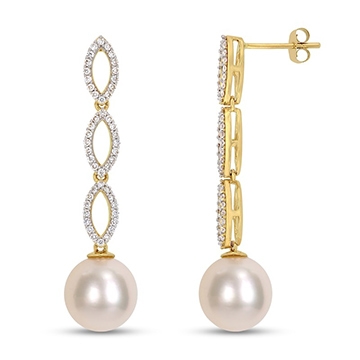
South Sea Pearls
Ranging from soft white to rich gold, South Sea pearls make a most elegant statement.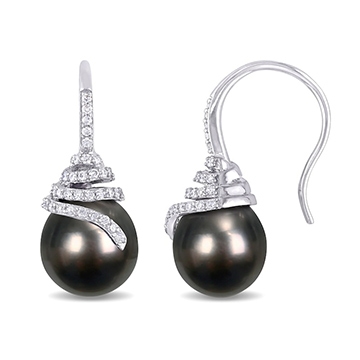
Tahitian Pearls
Rare and stunning, Tahitian black pearls are a bold choice for the sophisticated woman.Comparing Freshwater, Akoya, South Sea and Tahitian Pearls
| Freshwater | Akoya | South Sea | Tahitian | |
|---|---|---|---|---|
| Where they come from | China, also produced in the US | Japan and China | Western Australia and Indonesia | French Polynesia |
| Average size | 4.0‐14.0mm | 6.0 – 8.0mm | 10.0 – 15.0mm | 8.0‐10.0mm |
| Color | These pearls are popular to dye, and can be foundin a variety of colors: white, pink, blue, lavender, green | White or cream with silver or pink overtones | White with golden-yellow overtones | Typically black or gray with colorful green, blue, sliver, pink, or yellow overtones |
| Special characteristics | Freshwater pearls are the most popular pearl used by fine jewelers today. | Akoya pearls can be more expensive because their oysters can only be cultivated once. | South Sea oysters produce the largest pearls in the world. | Unique to Tahitian pearls, they can display multiple colors at once. These vibrant versions are called peacock pearls. |
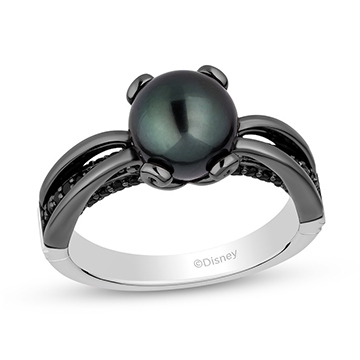
June's Birthstone Pearl
Celebrate summer birthdays with this gemstone from the sea. The birthstone for Gemini and Cancer zodiac signs, get to know the meaning behind June’s birthstone pearl and explore birthstone gifts featuring pearl.Pearl Jewelry FAQs
Both cultured pearls and natural pearls are real pearls produced by marine and freshwater mollusks. The difference is natural pearls are produced with no human intervention, where cultured pearls are more consistently produced with human aid and farmed cultivation.
When you purchase cultured pearls from a jeweler, asking for a certificate of authenticity is a good way to make sure your pearls are real. If you want to test pearl jewelry you already own, you can check if your pearls are real with a few simple at-home tests:
- Real pearls will feel cool to the touch and feel heavier when held
- Real pearls have some texture, while fake pearls are entirely smooth
- Fake pearls will be overly uniform in both shape and color "
If you are serious about finding the exact value of your pearls, requesting an assessment from a professional jewelry is the best way to get an accurate appraisal of quality. To the untrained eye, the clearest hallmark of quality for pearls is their luster, but the size, shape, and color variation can factor into overall quality.
Related Topics
Learn more about gemstones, settings, and styles at Zales.
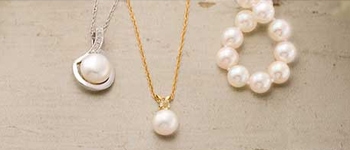
Pearl Buying Guide
Follow our tips for buying quality pearl jewelry.
Jewelry 101
Follow our steps to finance your engagement ring.