
Since gold jewelry is rarely made from 100% pure gold, understanding gold karat is an important aspect of shopping for gold and determining how much it’s worth. Here’s what you should know about gold karat and how to navigate your options.
What is a Karat?
Karat gold is, by definition, the measure of its purity (or fineness) in proportion to alloy metal and is expressed in parts per thousand. Pure gold is 24 karat, which means it has a fineness of 1000. One karat is equal to 41.66 fineness.
Gold is a soft metal that isn’t ideal for jewelry in its purest state. That’s why the gold used in jewelry today is mixed (or alloyed) with other metals such as silver, copper, zinc, and others to strengthen it. The color and karat of your gold will tell you what it is alloyed with and the ratio of pure gold to other metals.
Here are the most common gold purities you’ll have to choose from when you’re shopping for jewelry:
10k Gold
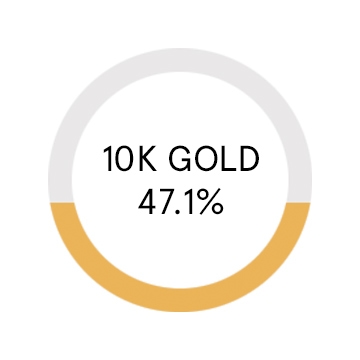
This karat gold contains 41.7 % pure gold, which is the least amount of gold that can be mixed with alloys and still be classified as “gold” in the U.S. and many other countries. Since it contains more alloy metal, 10K gold is the most durable karat gold option. On the other hand, the higher ratio of other metals in 10K gold jewelry can trigger an allergic reaction for some people.
As it contains the most alloy metal, 10K jewelry is the most affordable option and is often used for everyday jewelry like earrings and necklaces and bracelets.
As it contains the most alloy metal, 10K jewelry is the most affordable option and is often used for everyday jewelry like earrings and necklaces and bracelets.

14k Gold
The most popular karat gold used in jewelry, 14 karat gold features 58.3% pure gold and 41.7% alloy metals. It has a desirable balance of durability and affordability that many couples are looking for in engagement and wedding rings that they plan to wear every day.
14K gold features a lovely medium-golden hue and is a favorite for all types of jewelry, including earrings, necklaces and bracelets. The only thing to keep in mind is ratio of alloy content could trigger skin irritations for some people.
14K gold features a lovely medium-golden hue and is a favorite for all types of jewelry, including earrings, necklaces and bracelets. The only thing to keep in mind is ratio of alloy content could trigger skin irritations for some people.
18k Gold
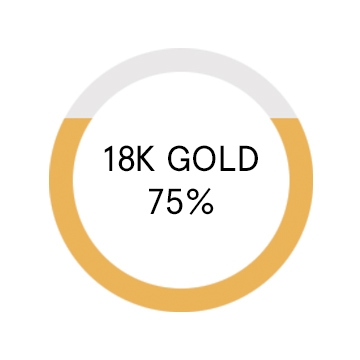
This alloy contains 75% pure gold and 25% alloy metals, like sterling silver or copper. 18K gold is one of the purest forms of gold used in jewelry because it is just durable enough to still be practical. The rich, deep yellow color is the hue most people associate with gold jewelry making it a popular choice for all jewelry, especially engagement and wedding rings.
While 18K gold jewelry is desirable and ideal for anyone who wants to avoid skin irritation caused by other metals, it is also the most expensive and most susceptible to scratches.
While 18K gold jewelry is desirable and ideal for anyone who wants to avoid skin irritation caused by other metals, it is also the most expensive and most susceptible to scratches.
24K Gold
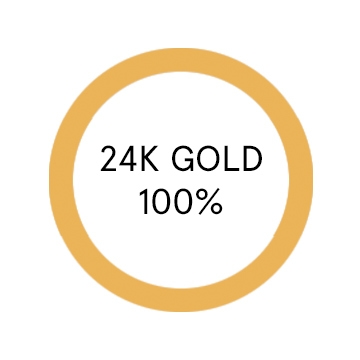
This is gold in its purest form. It is 100% gold, with virtually no alloy metals added to it. While 24K gold is very valuable, when it comes to jewelry, it’s not a practical choice because it is very soft and will bend and scratch easily.
The right gold karat for you will depend on the type of jewelry you’re buying, your lifestyle, your budget and whether you have any metal allergies to take into consideration. Our gold karat quiz can help you understand the pros and cons of each gold karat option and narrow down your options.
The right gold karat for you will depend on the type of jewelry you’re buying, your lifestyle, your budget and whether you have any metal allergies to take into consideration. Our gold karat quiz can help you understand the pros and cons of each gold karat option and narrow down your options.
14k Gold
The most popular karat gold used in jewelry, 14 karat gold features 58.3% pure gold and 41.7% alloy metals. It has a desirable balance of durability and affordability that many couples are looking for in engagement and wedding rings that they plan to wear every day.
14K gold features a lovely medium-golden hue and is a favorite for all types of jewelry, including earrings, necklaces and bracelets. The only thing to keep in mind is ratio of alloy content could trigger skin irritations for some people.
14K gold features a lovely medium-golden hue and is a favorite for all types of jewelry, including earrings, necklaces and bracelets. The only thing to keep in mind is ratio of alloy content could trigger skin irritations for some people.
18k Gold
This alloy contains 75% pure gold and 25% alloy metals, like sterling silver or copper. 18K gold is one of the purest forms of gold used in jewelry because it is just durable enough to still be practical. The rich, deep yellow color is the hue most people associate with gold jewelry making it a popular choice for all jewelry, especially engagement and wedding rings.
While 18K gold jewelry is desirable and ideal for anyone who wants to avoid skin irritation caused by other metals, it is also the most expensive and most susceptible to scratches.
While 18K gold jewelry is desirable and ideal for anyone who wants to avoid skin irritation caused by other metals, it is also the most expensive and most susceptible to scratches.
24K Gold
This is gold in its purest form. It is 100% gold, with virtually no alloy metals added to it. While 24K gold is very valuable, when it comes to jewelry, it’s not a practical choice because it is very soft and will bend and scratch easily.
The right gold karat for you will depend on the type of jewelry you’re buying, your lifestyle, your budget and whether you have any metal allergies to take into consideration. Our gold karat quiz can help you understand the pros and cons of each gold karat option and narrow down your options.
The right gold karat for you will depend on the type of jewelry you’re buying, your lifestyle, your budget and whether you have any metal allergies to take into consideration. Our gold karat quiz can help you understand the pros and cons of each gold karat option and narrow down your options.
What are Gold Karats and Why Do They Matter? | Zales